Why Car Safety Ratings Matter When Buying a Used Family Vehicle
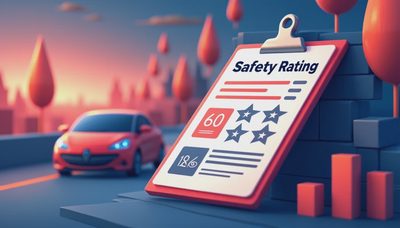
When you’re shopping for a used car for your family, it’s easy to get caught up in mileage, price, and whether the seats are stain-free. But there’s one number that should sit at the top of your checklist: car safety ratings. I’m not talking about some vague marketing score—I mean the hard data from the National Highway Traffic Safety Administration (NHTSA) and the Insurance Institute for Highway Safety (IIHS). These ratings tell you how well a vehicle protects its occupants in a crash, and for any parent hauling kids around, that’s the real starting point.
A few years back, I nearly bought a 2012 sedan that looked great on paper—low miles, clean interior, reasonable price. But before I handed over the cash, I pulled up the NHTSA ratings and saw it had only three stars for frontal impact. I walked. My wife Emily didn’t even blink when I said no. She knew that kind of rating wasn’t worth the savings. That’s the kind of moment car safety ratings are made for.
What Car Safety Ratings Actually Measure
The two biggest sources are NHTSA (stars out of five) and IIHS (Good, Acceptable, Marginal, Poor, plus Top Safety Pick awards). NHTSA tests frontal crash, side crash, rollover resistance, and sometimes a newer front-impact test. IIHS runs a broader set, including moderate overlap front, small overlap front, side, roof strength, head restraints, and now pedestrian detection. For a family car, you want at least four stars from NHTSA and Good ratings across the board from IIHS. If a used model earned a Top Safety Pick+ award in its year, that’s a strong sign the manufacturer paid attention to safety.
But don’t assume every model year is the same. Car safety ratings can change from year to year because automakers update designs or add standard safety tech. For example, the 2017 Honda CR-V scored a Top Safety Pick, but the 2016 version—same generation—had weaker small overlap protection on the passenger side. That’s why you need to check the exact year you’re considering, not just the nameplate.

How to Find Safety Ratings for Any Used Car
It takes five minutes, and it could save you from a bad decision. Here’s the routine:
- Go to NHTSA.gov and enter the year, make, and model. The site shows the overall star rating and individual test scores. Look for four or five stars overall.
- Visit IIHS.org and look up the same vehicle. Check the crashworthiness ratings—any “Marginal” or “Poor” is a red flag. Also check if it earned a Top Safety Pick or Top Safety Pick+ award for that year.
- If the car is 2014 or newer, check whether forward collision warning, automatic emergency braking, and lane departure warning were standard or optional. IIHS now rates these features.
- While you’re at it, look up the vehicle’s safety record on the Safercar.gov website (part of NHTSA) for any recalls or investigations.
I do this before I even schedule a test drive. If the safety ratings aren’t solid, I don’t waste my time—or the seller’s. It’s that simple.
Why Older Cars Can Still Be Safe
You don’t need a brand-new SUV to get good protection. Many cars from the early 2010s—like the 2013-2015 Honda Accord, 2012-2016 Toyota Camry, or 2011-2015 Subaru Outback—performed well in their day and still hold up. The key is to compare ratings within the same generation. A 2011 model might lack side curtain airbags or electronic stability control, which became widespread after 2012. So look for those features.
IIHS data shows that crashworthiness has improved significantly since 2010, especially in small overlap front protection (that’s when the front corner of the car hits a tree or another vehicle). If you’re buying a car from 2014 or later, you’ll benefit from stronger structures and better airbag designs. But a 2010 model with five stars and no glaring weaknesses is still a decent choice if it’s been well maintained.
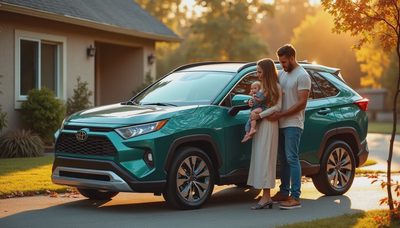
One thing that hasn’t changed: size matters. A larger, heavier vehicle generally protects better than a smaller one in a crash. That doesn’t mean you must buy a Suburban, but a midsize sedan or compact SUV often hits the sweet spot for safety and practicality. My own family drives a 2016 Honda CR-V—it’s not new, but its IIHS ratings are solid, and it has the space for two kids and a weekend’s worth of gear.

Making Safety Part of Your Budget Decision
Let’s be real—car safety ratings influence price. A model with a Top Safety Pick+ will cost more used than a similar year without that badge. But the difference is often smaller than you think. I’ve seen 2015 sedans with excellent ratings go for only $1,000-$2,000 more than a comparable but less-safe alternative. Over a five-year ownership, that’s $200-$400 per year. Almost certainly worth it.
On the other hand, don’t overpay just because of a rating. A 2013 Ford Fusion with four stars is fine—you don’t need to chase the absolute highest score if your budget is tight. The goal is to avoid the bottom tier: anything below four stars overall, or any IIHS test result of Marginal or Poor. That’s where you draw the line.
I always tell readers: “Buy the car, not the story.” A dealer might pitch that a low-rated car “feels safe” or “has a solid frame.” But the crash test data doesn’t lie. If the numbers aren’t there, walk away. There are plenty of affordable, safe used cars out there—you just have to check the ratings first.
A Quick Checklist for Your Next Test Drive
- [ ] Look up NHTSA star rating for the exact year—aim for 4 or 5 stars.
- [ ] Check IIHS ratings—any “Marginal” or “Poor” means skip it.
- [ ] Confirm standard safety features: side airbags, stability control (mandatory after 2012), and preferably forward collision warning on 2014+ models.
- [ ] Compare the same model across different years—sometimes a one-year difference matters.
- [ ] Factor the cost of safety into your budget—but don’t go broke over it.
Car safety ratings aren’t just government paperwork. They’re a straight line to what matters: getting your family home in one piece. Next time you’re scrolling through listings, take five minutes to look them up. It might be the most important step you take.

No letters yet — pray write the first.