What Is the Safest Car for Your Family?
Every time I walk a dealership lot with another family, the same question comes up: what is the safest car? It’s a fair question, especially when you’re shopping with kids in the back seat. But the answer isn’t as simple as pointing at one model and calling it a day. Safety isn’t a single number or a shiny badge on the rear window — it’s a mix of crash test scores, available features, and how a car fits your daily driving life. Let’s sort through the noise and figure out what actually makes a car safe for your family.
What Does "Safest Car" Actually Mean?
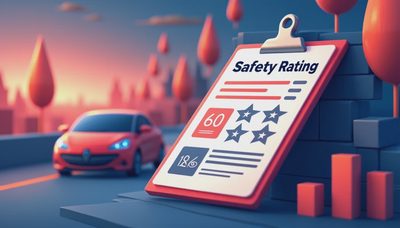
Before you start picking models, you need to understand what “safe” really means in the car world. There’s no government-issued safest car medal. Instead, we rely on two main sources: the Insurance Institute for Highway Safety (IIHS) and the National Highway Traffic Safety Administration (NHTSA). The IIHS gives ratings like Top Safety Pick+ for vehicles that perform well in their crash tests and come with good headlights and front crash prevention. NHTSA gives a star rating from one to five, with five being the best. When people ask what is the safest car, I tell them to start by checking these ratings for any model they’re considering. But ratings alone don’t tell the whole story — real-world safety also depends on how you drive and maintain the vehicle.
Top Picks for Safety-Conscious Families
Over the years, I’ve seen certain models consistently top the safety charts. If you’re looking for a sedan, the Honda Accord and Toyota Camry routinely earn five-star NHTSA ratings and IIHS Top Safety Pick+ awards. Their structural design and standard safety tech — like automatic emergency braking and lane-keeping assist — make them strong choices. For SUVs, the Subaru Outback and Mazda CX-5 offer excellent safety scores along with the higher seating position many families prefer. And if you have the budget, the Volvo XC90 is often considered the gold standard, with Volvo’s long-standing commitment to safety engineering. But here’s the thing: you don’t need to spend luxury money to get a safe car. The 2024 Toyota RAV4 and Honda CR-V both earn top marks and start well under $30,000.

Safety Features That Matter Most
When you’re comparing cars, focus on features that make a real difference in preventing or surviving crashes. Start with automatic emergency braking (AEB) — it detects obstacles and stops the car if you don’t react in time. It’s standard on many new cars now, but not all, so check. Lane departure warning and lane-keeping assist help you stay in your lane, which is especially useful on long highway drives. Blind-spot monitoring is another big one for families, reducing the risk of merging into someone you didn’t see. And don’t overlook headlights: IIHS ratings show that good headlights can reduce nighttime crashes significantly. Every time a family asks me what is the safest car, I tell them to look for these features first, then worry about horsepower or infotainment.
How Crash Test Ratings Help You Decide
Crash test ratings give you a clear picture of how a car protects its occupants in a collision. IIHS runs tests like the moderate overlap front, side impact, roof strength, and head restraints. Their small overlap front test is especially tough — it simulates hitting a tree or pole with just the front corner. NHTSA’s tests include frontal and side crashes and rollover resistance. But here’s a tip: don’t rely on one rating alone. A car can get five stars from NHTSA but miss a Top Safety Pick+ because its headlights are poor. I always check both organizations. If a model earns top marks from both, you’re on solid ground. And if you’re shopping used, remember that older models may not have been tested under the latest standards, so do your homework.
The Safest Car for Your Budget
Safety doesn’t have to break the bank. Several affordable models offer excellent protection. The 2023 Kia Forte and 2023 Hyundai Elantra both earned Top Safety Pick awards and start under $20,000. The Subaru Impreza comes standard with all-wheel drive and strong safety scores for around $20,000. At the mid-range, the Honda Civic and Mazda3 are reliable and safe choices. Even the budget-friendly Nissan Versa gets a four-star NHTSA overall rating and includes AEB. So when you’re asking what is the safest car, don’t let price push you into a false choice. You can find a safe vehicle at almost any budget if you know what to look for.

A Note on Used Cars and Safety
A lot of families come to me wanting a safe car but not wanting to pay new-car prices. That’s completely understandable. The good news is that many safe cars hold up well over time. But you need to be careful: safety technology has improved quickly. A 2015 model might lack AEB or have weaker side airbags. If you’re buying used, target models from 2018 or newer when many of these features became common. Also, check the car’s crash test ratings from its model year — standards change. And always have a pre-purchase inspection done by an independent mechanic. A car that’s been in an unreported accident may have compromised safety structure. Remember: buy the car, not the story.
Final Thoughts: Buy the Car, Not the Story
At the end of the day, what is the safest car is a question that doesn’t have one right answer. It depends on your family size, driving habits, budget, and priorities. Start with the safety ratings, focus on key features like AEB and good headlights, and don’t skip the test drive. If a car feels too small or cramped for your needs, it might not be safe in real-world use — because you’ll be distracted or uncomfortable. Safety is about more than metal and sensors; it’s about how the car fits your life. So take your time, do your homework, and choose a car that helps you protect what matters most.


No letters yet — pray write the first.