When you're shopping for a family vehicle, finding the safest SUV should be at the top of your list. It's not just about crash test ratings—it's about real-world protection for your kids. Your family car is the biggest safety investment you'll make, so cutting corners on safety is never worth it. But with so many options, how do you pick the safest SUV without blowing your budget? Let's break it down.
Why Safety Ratings Matter More Than You Think
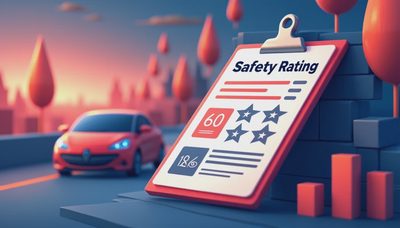
The safest SUV isn't just the one with a five-star overall rating. You need to look at individual scores for frontal, side, and rollover protection. The IIHS and NHTSA both test vehicles, but they measure different things. For example, the IIHS small overlap front test has sent many popular SUVs home with poor scores. That means your legs could be at risk in a specific type of crash. Don't just glance at the star rating—dig into the details. The 2023 Honda CR-V earned IIHS Top Safety Pick+ and NHTSA 5 stars, making it a top contender for the safest SUV under $35,000.
Top Safety Features to Look For in the Safest SUV
Forward collision warning, automatic emergency braking, lane departure warning, blind-spot monitoring, rear cross-traffic alert, adaptive headlights—these aren't gadgets, they're proven lifesavers. A study by the IIHS found that forward collision warning reduces rear-end crashes by 27%. When you're comparing models, prioritize those that offer these features standard or as affordable options. The good news? You don't need a luxury SUV to get them. Many affordable crossovers like the Subaru Outback and Mazda CX-5 include them as standard.

How to Balance Safety and Budget
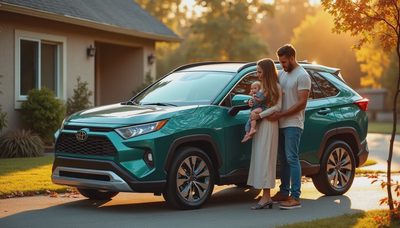
I know what you're thinking: "The safest SUV costs a fortune, right?" Not necessarily. Yes, some high-end models like the Volvo XC90 are safety stars, but they start around $55,000. Meanwhile, the Toyota RAV4—starting near $30,000—also earns top safety ratings. The trick is to buy a model that's a few years old. A certified pre-owned safest SUV from 2021 or 2022 can save you thousands while still having great safety tech. Just make sure it doesn't miss any major safety updates. I helped a friend find a 2021 Subaru Forester for $26,000. It had all the safety features we wanted plus excellent crash test scores. Choosing a safer SUV can also lower your insurance premiums. Insurers give discounts for vehicles with high safety ratings, sometimes up to 10-15%.

A Few Models That Consistently Rank as the Safest SUV
Honda CR-V, Toyota RAV4, Subaru Forester, Mazda CX-5, Hyundai Tucson—these models have been top picks for years. But don't assume a new model is automatically safer. Check the specific year's ratings because 2023 models can differ from 2020 ones. Look at the NHTSA and IIHS databases before you step into a dealership. And remember, the safest SUV isn't always the most expensive one. Often, a mid-trim with the right safety package beats a base luxury model without those features.
Three Road-Tested Checks for the Safest SUV
Before you commit to any vehicle, take these three steps. First, check the IIHS headlight ratings. Poor headlights are a common weakness on otherwise safe SUVs, and they directly affect your ability to avoid hazards at night. Second, test the rear-seat LATCH system for car seat installation. Bring your own car seat to the dealership and see how easy it latches. Some models have LATCH anchors buried too deep in the seat cushions, making a tight install nearly impossible. Third, ask about the availability of a surround-view camera. This feature has become common on midsize SUVs and dramatically reduces blind spots when parking or pulling out of a driveway. A Toyota Highlander with the optional camera package is an excellent choice for drivers who want the safest SUV with easy maneuverability in tight lots.
Does an SUV Size Affect Safety Rankings?
Many buyers assume bigger is always safer, but that's not the whole story. Tall, heavy SUVs do offer better protection in collisions with smaller vehicles, but they also raise the risk of rollover. The safest SUV sits in the sweet spot of moderate size and weight—enough mass to protect you, but with a low center of gravity for stability. The Subaru Outback, for instance, has a lower ride height than many SUVs, which improves handling and reduces rollover risk while still providing plenty of ground clearance. A 2022 comparison by IIHS showed that midsize SUVs like the Outback and Honda Passport have a lower driver death rate than large SUVs. So don't automatically size up; look at real-world safety data.
Before you sign anything, do your homework. Buy the car, not the story. And remember, the safest SUV is the one that protects your family without breaking the bank. Start with the crash test data, then focus on the features that matter most to your daily drive. Your family deserves nothing less.

No letters yet — pray write the first.